
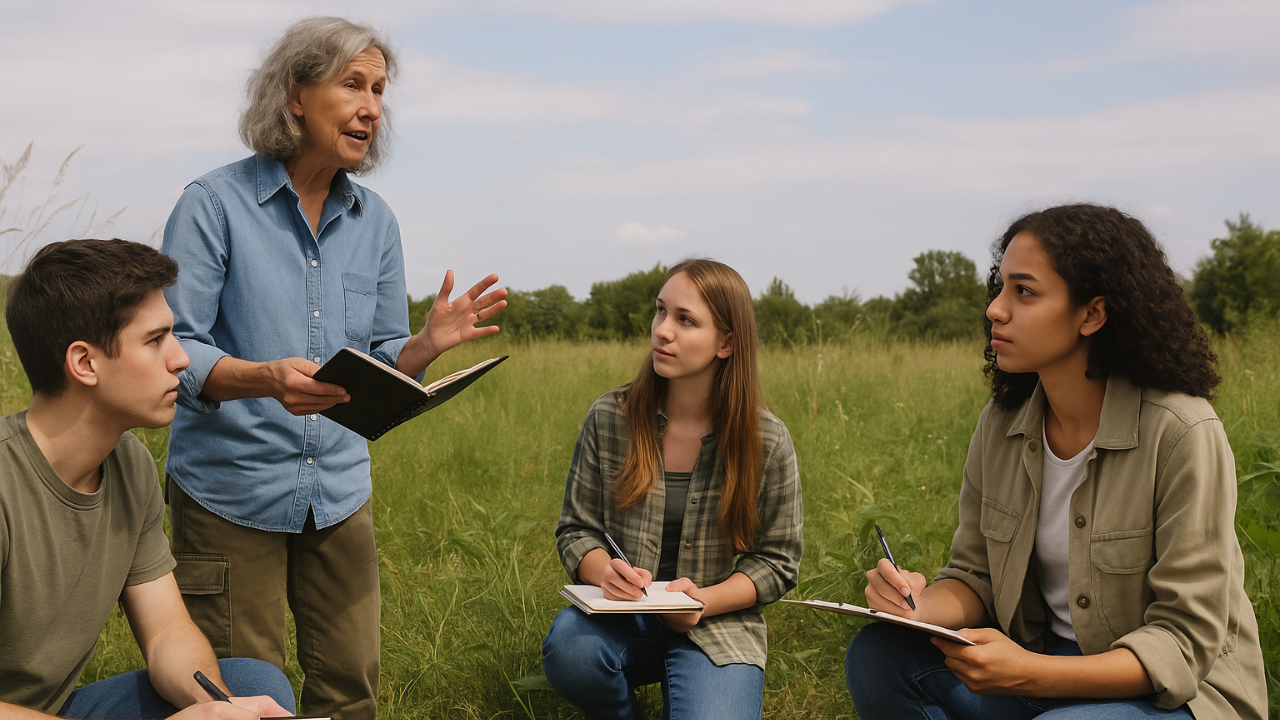
Next Generation of Ecologists – The Utah Forest Dynamics Plot (UFDP) (http://ufdp.org) is a groundbreaking initiative dedicated to long-term forest monitoring, ecological research, and community engagement. Situated in the heart of diverse landscapes, UFDP offers a living laboratory for understanding how forests change over time due to climate shifts, biodiversity dynamics, and human influence. Its mission extends beyond pure research, as the organization seeks to educate and inspire students, researchers, and communities to value ecological stewardship. By combining scientific observation with hands-on learning, UFDP bridges the gap between theoretical knowledge and practical application. Students visiting UFDP gain exposure to real-world research, modern ecological tools, and conservation practices that shape their outlook toward sustainability. This approach not only enhances academic learning but also nurtures a sense of responsibility toward protecting natural ecosystems. The program is a testament to how institutions can cultivate environmental awareness and equip the next generation with skills to address global ecological challenges.
Bridging Classrooms with Real-World Ecosystems
One of the most effective ways to inspire future ecologists is by moving education beyond textbooks. The UFDP provides a platform where students can witness ecological processes in real time—observing plant succession, measuring tree growth, and studying species interactions within their natural environment. Such field-based learning transforms abstract scientific concepts into tangible experiences that deepen understanding. For instance, students who learn about carbon sequestration in class can directly measure biomass and canopy structures in the forest, linking theory with application. These experiences also promote problem-solving, critical thinking, and teamwork, as students work together to collect and analyze data. By integrating classroom teaching with ecological fieldwork, institutions create a holistic learning environment. The process instills curiosity, enhances retention of knowledge, and prepares students for careers in conservation, forestry, environmental policy, and beyond. This hands-on learning makes science accessible and exciting, ensuring that ecological education resonates at both academic and personal levels.
Mentorship and Research Opportunities for Students
Beyond exposure to ecosystems, mentorship is a critical component in developing future ecologists. UFDP fosters collaboration between students, faculty members, and professional researchers who guide learners in designing and conducting ecological studies. This mentorship helps students understand scientific rigor, data accuracy, and ethical considerations in research. It also provides opportunities to contribute to real-world projects, such as tracking forest regeneration, studying invasive species, or monitoring biodiversity loss. By engaging in ongoing research, students develop a deeper sense of ownership over environmental challenges and potential solutions. Moreover, these opportunities often lead to academic publications, conference participation, and career pathways in environmental science. Such mentorship goes beyond imparting technical skills; it builds confidence and cultivates leadership qualities in students. This approach ensures that aspiring ecologists not only gain knowledge but also learn to apply it in meaningful ways that create a positive impact on both local and global scales.
Building Awareness Through Community and Global Connections
The impact of ecological education extends beyond individual students to the wider community. Programs like UFDP emphasize community outreach, involving local schools, volunteers, and policymakers in ecological projects. These efforts build public awareness about the importance of forest conservation and sustainable resource management. Students who participate in such outreach learn the value of environmental advocacy and communication—skills that are essential for addressing pressing issues like climate change and habitat destruction. Furthermore, UFDP connects its work to global networks of forest monitoring, allowing students to see how their contributions fit into the larger picture of international conservation efforts. This global perspective encourages young ecologists to think beyond their immediate surroundings and understand the interconnectedness of ecosystems worldwide. By participating in this shared mission, students develop a sense of global citizenship, recognizing that protecting nature is a responsibility shared across borders and generations.
Inspiring Future Leaders in Ecology and Conservation
Ultimately, the goal of programs like UFDP is to inspire and equip future leaders who will champion ecological stewardship. The combination of classroom theory, field-based learning, and mentorship creates a powerful educational framework. Students emerge not only with scientific expertise but also with a passion for conservation and a commitment to sustainable living. They become ambassadors of ecological responsibility, capable of influencing policy, driving innovation, and leading conservation movements. By transforming classrooms into gateways to the natural world, initiatives like UFDP ensure that education is not confined to theory but translates into action. These experiences empower students to take on global challenges such as deforestation, biodiversity loss, and climate change with confidence and creativity. In doing so, UFDP and similar initiatives serve as beacons of inspiration, ensuring that the next generation of ecologists is prepared, motivated, and determined to safeguard the planet for future generations.